Mark Jenkins

Mark is fifty-nine years old and has been on death row since he was twenty-three.

This is Mark’s story: the horrors he suffered as a child, his crime, his transformation, and who he is today.

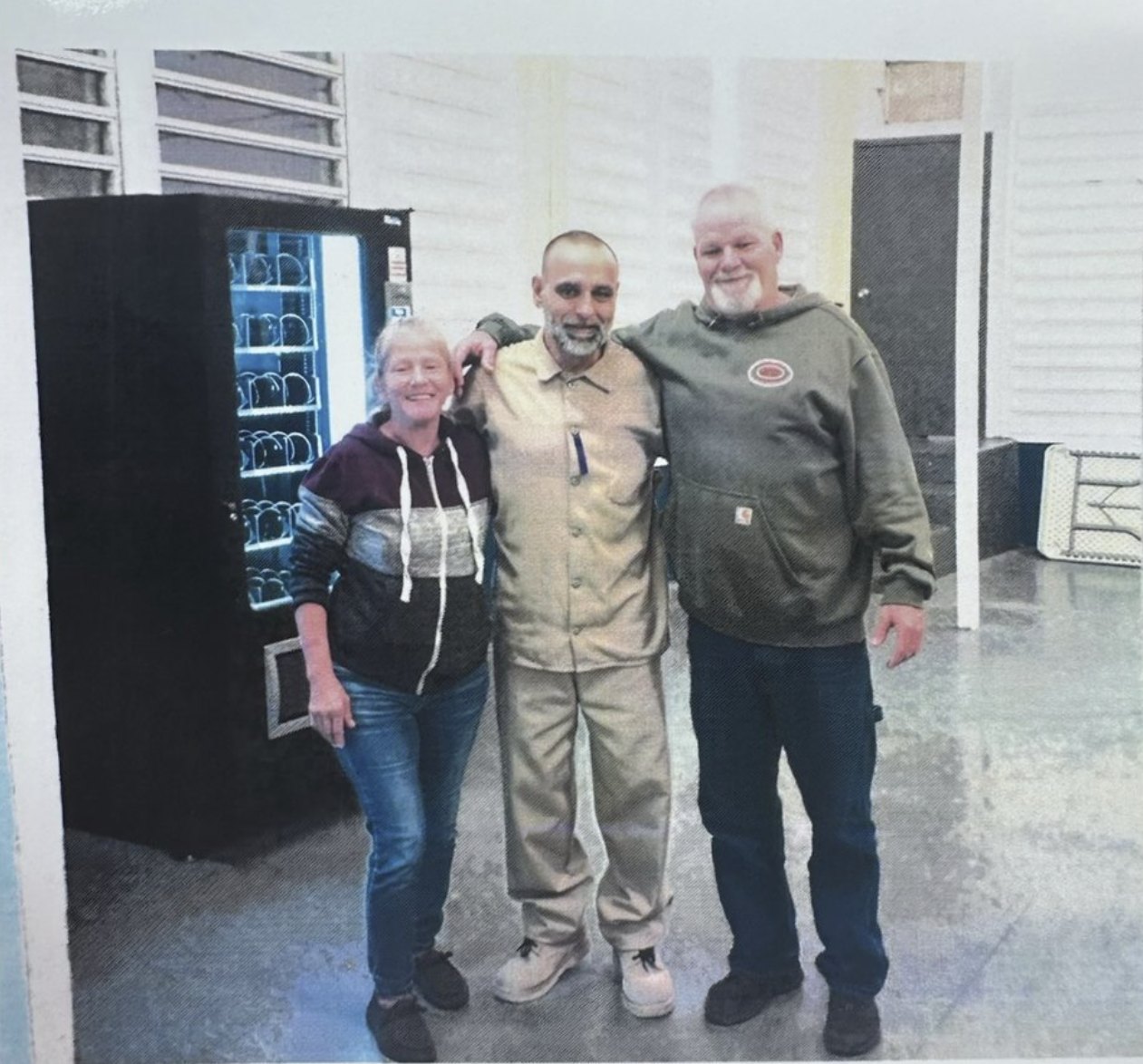
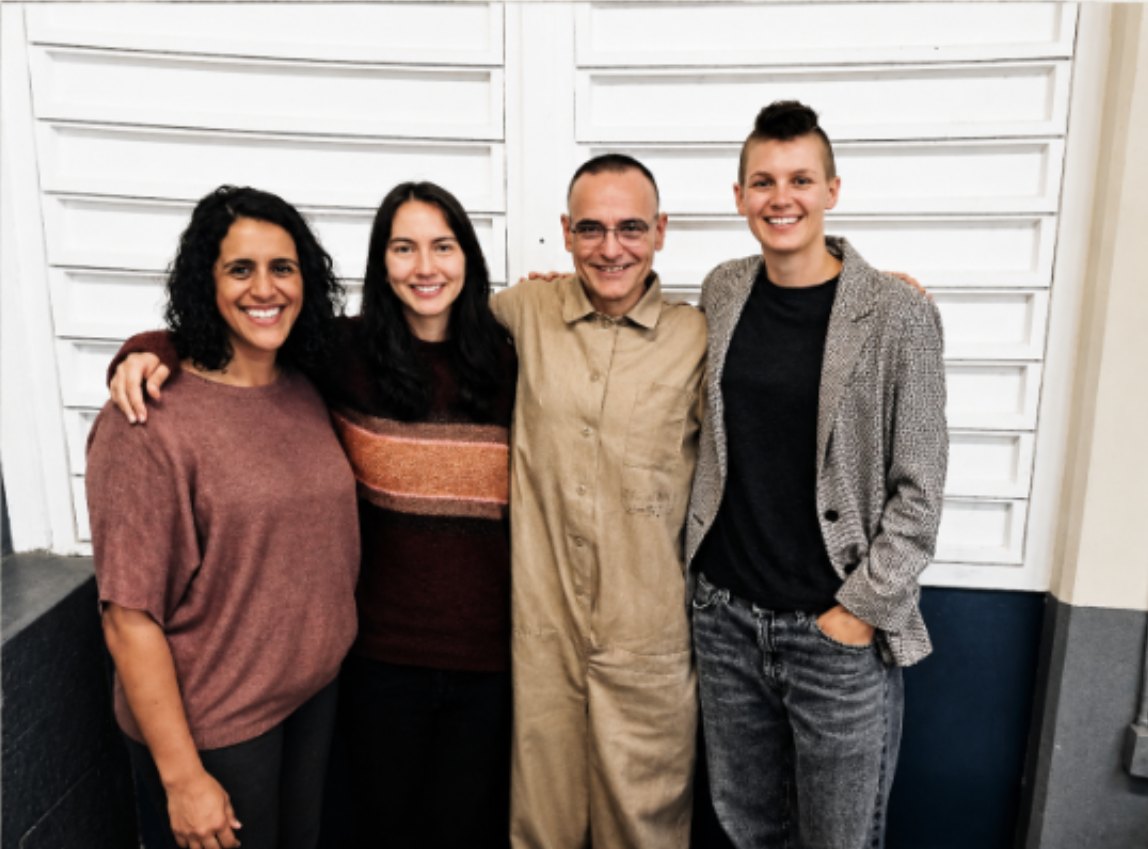
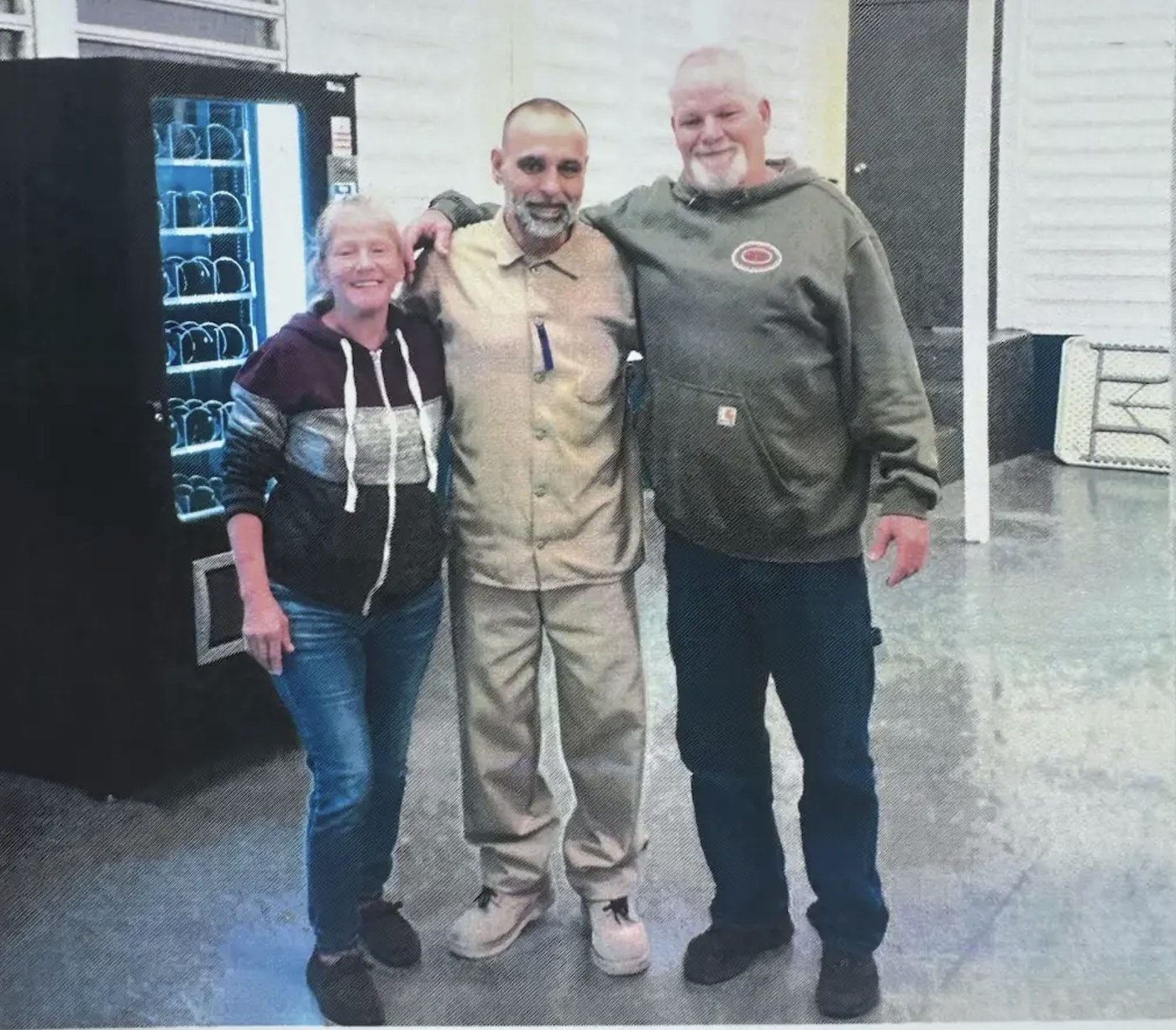
Mark Jenkins during a prison visit in 2024, standing between his brother Billy and Billy's friend
Mark with his brother, Billy, and Billy’s friend, 2024.

Parts of this page may be difficult to read. It describes the abuse Mark’s family inflicted on him as a child, including sexual violence and physical harm, and it details the crime Mark committed.

The film

Mercy for Mark: A Short Film

01.

Today: Who Mark is now

Mark Jenkins is fifty-nine. Since 1991, he has been incarcerated at Holman Prison. Over the past thirty-five years, Mark has developed a reputation for his trustworthiness and his readiness to help correctional officers.

Mark defuses arguments, lifts people up when they are down, tries to make people laugh with corny jokes, and has been, in the words of one officer, “100% trustworthy.” He has worked for years as a “hall runner,” a job reserved for the most reliable prisoners. Mark was baptized in the county jail before his trial and has grown in his faith over the years. Mark’s relationship with God sustains him.

Mark has learned to contend with his intellectual disability and the traumatic effects of unrelenting childhood abuse. He now focuses on being of service to those around him.
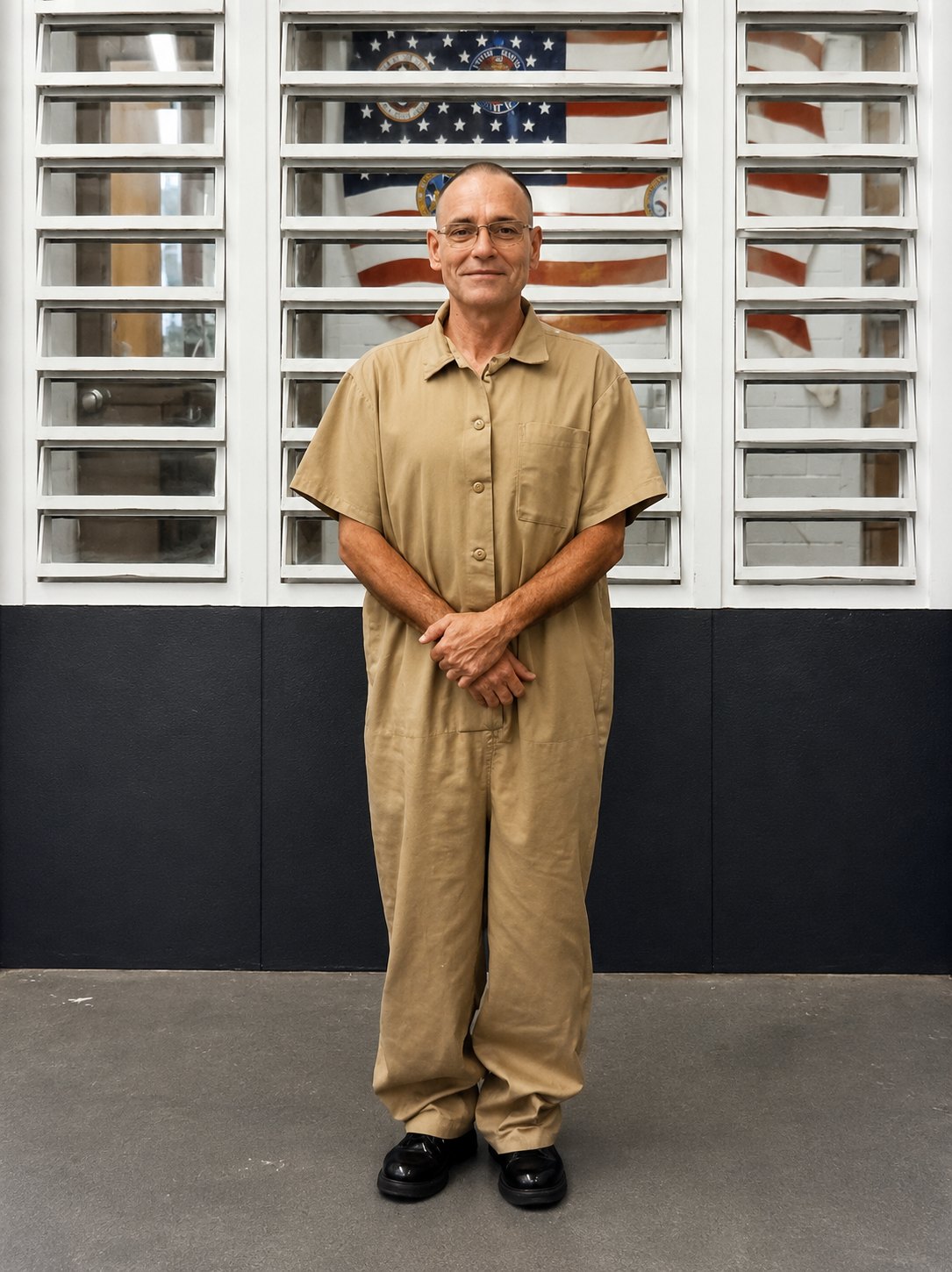
Mark Jenkins photographed at Holman Correctional Facility in August 2026
Mark at Holman Correctional Facility, August 2026.
1 / 3

01.

Today: Who Mark is now

Mark Jenkins is fifty-nine. Since 1991, he has been incarcerated at Holman Prison. Over the past thirty-five years, Mark has developed a reputation for his trustworthiness and his readiness to help correctional officers.

Mark defuses arguments, lifts people up when they are down, tries to make people laugh with corny jokes, and has been, in the words of one officer, “100% trustworthy.” He has worked for years as a “hall runner,” a job reserved for the most reliable prisoners. Mark was baptized in the county jail before his trial and has grown in his faith over the years. Mark’s relationship with God sustains him.

Mark has learned to contend with his intellectual disability and the traumatic effects of unrelenting childhood abuse. He now focuses on being of service to those around him.
Mark Jenkins photographed at Holman Correctional Facility in August 2026
Mark at Holman Correctional Facility, August 2026.

02.

Before: A childhood of extreme abuse and violence

Mark Jenkins was born in 1967, following an affair between his mother, Donna Jo Jenkins, and a sailor. At the time, Donna’s husband, Steve Jenkins, was in prison. Mark has never met his biological father.

Following his birth, Donna abandoned Mark at the hospital. She was later persuaded to retrieve him, but his biological father declined to take responsibility for the newborn. Left alone, Donna raised Mark and his half-siblings in squalor for the first three years of his life, until her husband Steve returned from prison.

Donna treated Mark with contempt and abuse, even when he was an infant. She beat him, at times hard enough to leave welts on his body. She shook him, called him disparaging names, and hid him in a box under the bathroom sink when company came to visit. She treated him as though he were barely human.

When Mark was about four, he was left in the care of his grandfather, who sexually abused him. What Mark’s grandfather did to Mark would be a capital crime in Alabama today. The sexual trauma led to severe emotional and physical struggles that lasted into Mark’s adulthood.

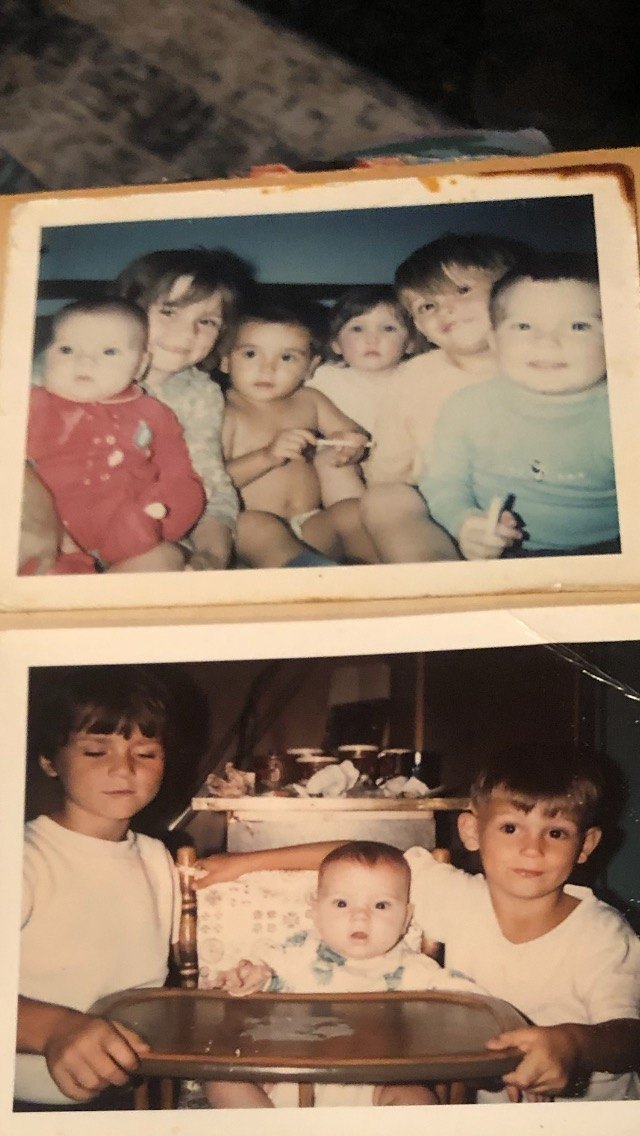
Mark as a very young child with his siblings — in the middle of the top photograph, and in the high chair below.
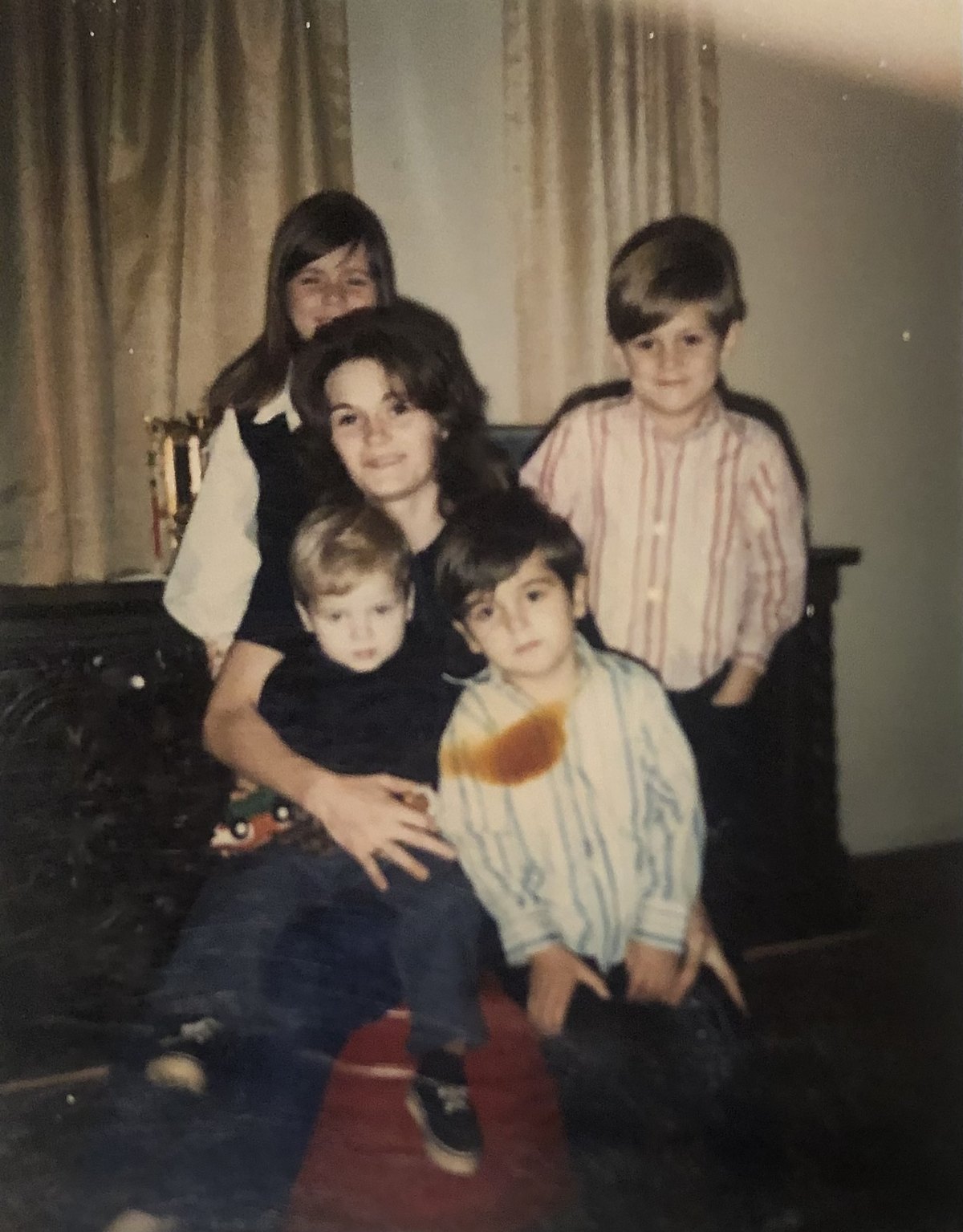
Mark (front, in the striped shirt) as a child with his mother, Donna, and his siblings.
Mark as a boy.
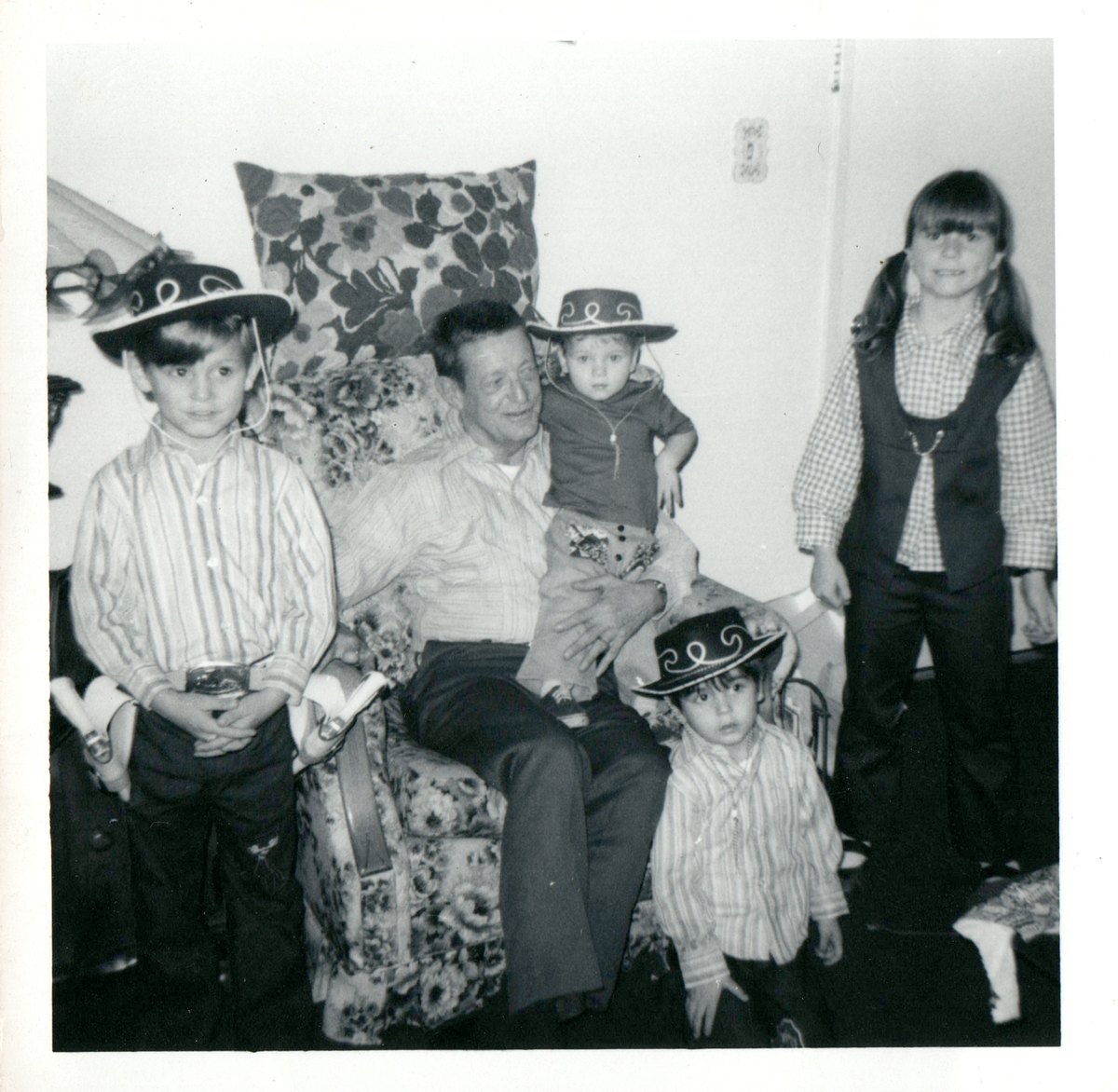
Mark (center front, in the cowboy hat) as a young child with his grandfather and siblings.
1 / 4

02.

Before: A childhood of extreme abuse and violence

Mark Jenkins was born in 1967, following an affair between his mother, Donna Jo Jenkins, and a sailor. At the time, Donna’s husband, Steve Jenkins, was in prison. Mark has never met his biological father.

Mark as a very young child with his siblings — in the middle of the top photograph, and in the high chair below.

Following his birth, Donna abandoned Mark at the hospital. She was later persuaded to retrieve him, but his biological father declined to take responsibility for the newborn. Left alone, Donna raised Mark and his half-siblings in squalor for the first three years of his life, until her husband Steve returned from prison.

Mark (front, in the striped shirt) as a child with his mother, Donna, and his siblings.

Donna treated Mark with contempt and abuse, even when he was an infant. She beat him, at times hard enough to leave welts on his body. She shook him, called him disparaging names, and hid him in a box under the bathroom sink when company came to visit. She treated him as though he were barely human.

Mark as a boy.

When Mark was about four, he was left in the care of his grandfather, who sexually abused him. What Mark’s grandfather did to Mark would be a capital crime in Alabama today. The sexual trauma led to severe emotional and physical struggles that lasted into Mark’s adulthood.

Mark (center front, in the cowboy hat) as a young child with his grandfather and siblings.

The record of abuse

Mark’s abuse was no secret

Probation officers, psychologists, neighbors, and family members knew that Mark’s parents were harming him. They documented the abuse. Some are haunted by Mark’s suffering to this day.

Contemporaneous records, 1981–1983, and witness affidavits.

Sara Boyd, Ph.D., a board-certified forensic psychologist specializing in trauma, has said that Mark experienced some of the most severe childhood abuse she has seen in her twenty-year career. According to Dr. Boyd, the sexual assault Mark suffered when just four, compounded by unrelenting physical abuse, humiliation, and neglect throughout his childhood, has had lifelong effects. Even so, at trial Mark’s attorneys did not tell the jury a single word about his childhood, or about anything that led Mark to the moment in which he took an innocent life.

02.

Before: A childhood of extreme abuse and violence

The physical and emotional torment intensified after Donna’s husband, Steve, was released from prison. He beat and humiliated Mark, leaving welts, bruises and cuts. Mark was generally not allowed to eat with the family; he scrounged for scraps.

Mark suffered from incontinence after his grandfather sexually assaulted him. At least once, Steve punished Mark by forcing him to eat his own feces in front of the family.

Family members reported the abuse to authorities, only to recant when Steve threatened them.

When Mark’s brother reported the abuse, Steve lashed out at the children, threatening, “I’ll kill you before I go back to prison.”

Mark had one saving grace as a child: his animals. He had a soul-deep love of the family’s horses, dogs, and a pig named Eva, and the animals loved him back. Even when he had only scraps of food, he shared what he had with the family dogs.

Mark’s childhood struggles were exacerbated by his intellectual disability, a serious and lifelong neurodevelopmental condition. His IQ score is 74, and his executive functioning—which includes his ability to plan, to reason, and to adapt—is at or below the 1st percentile. Mark’s disability made it difficult for him to cope with daily life.Learn about Mark’s intellectual disability diagnosis

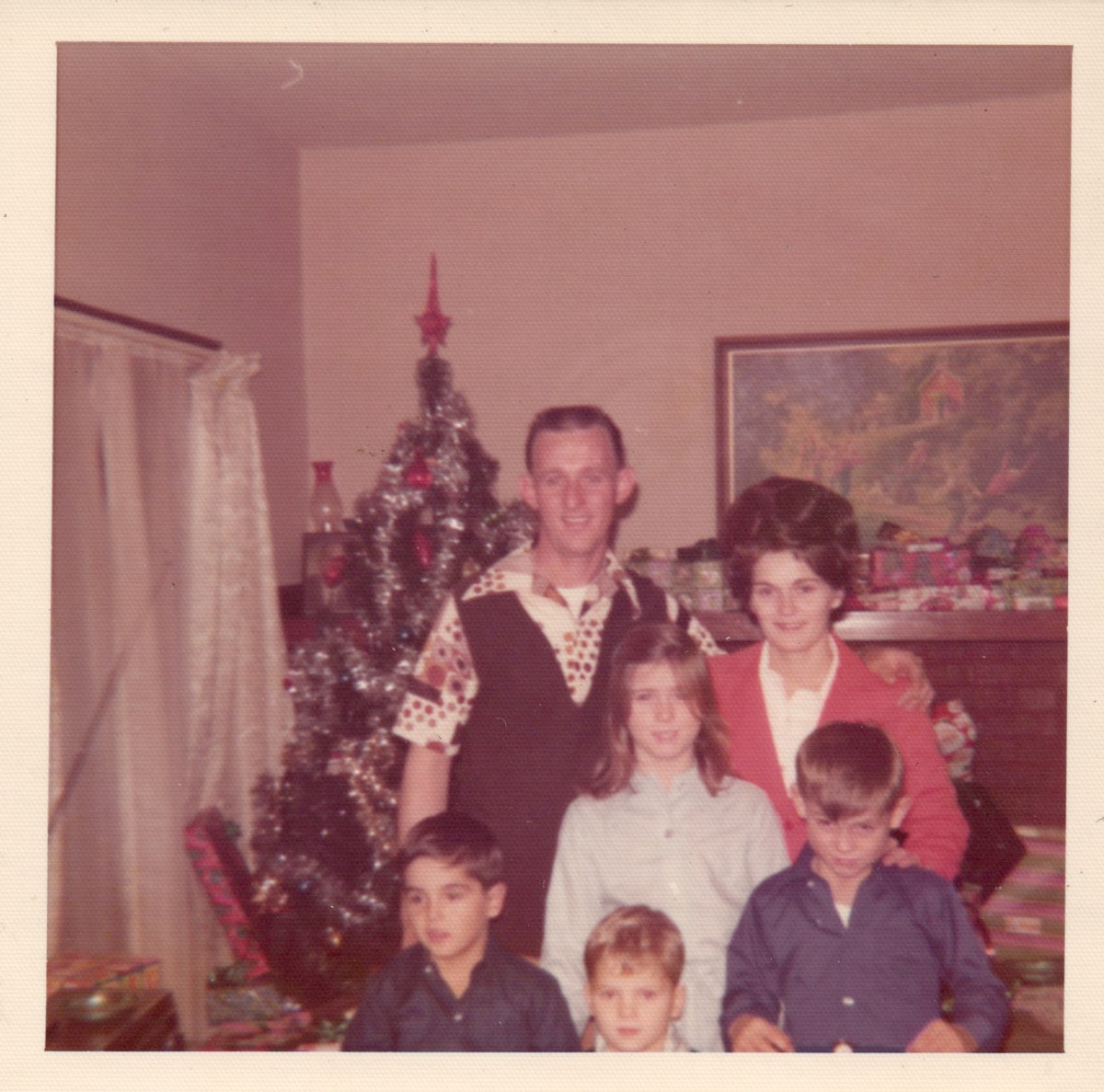
Mark (front left) with his family at Christmas.
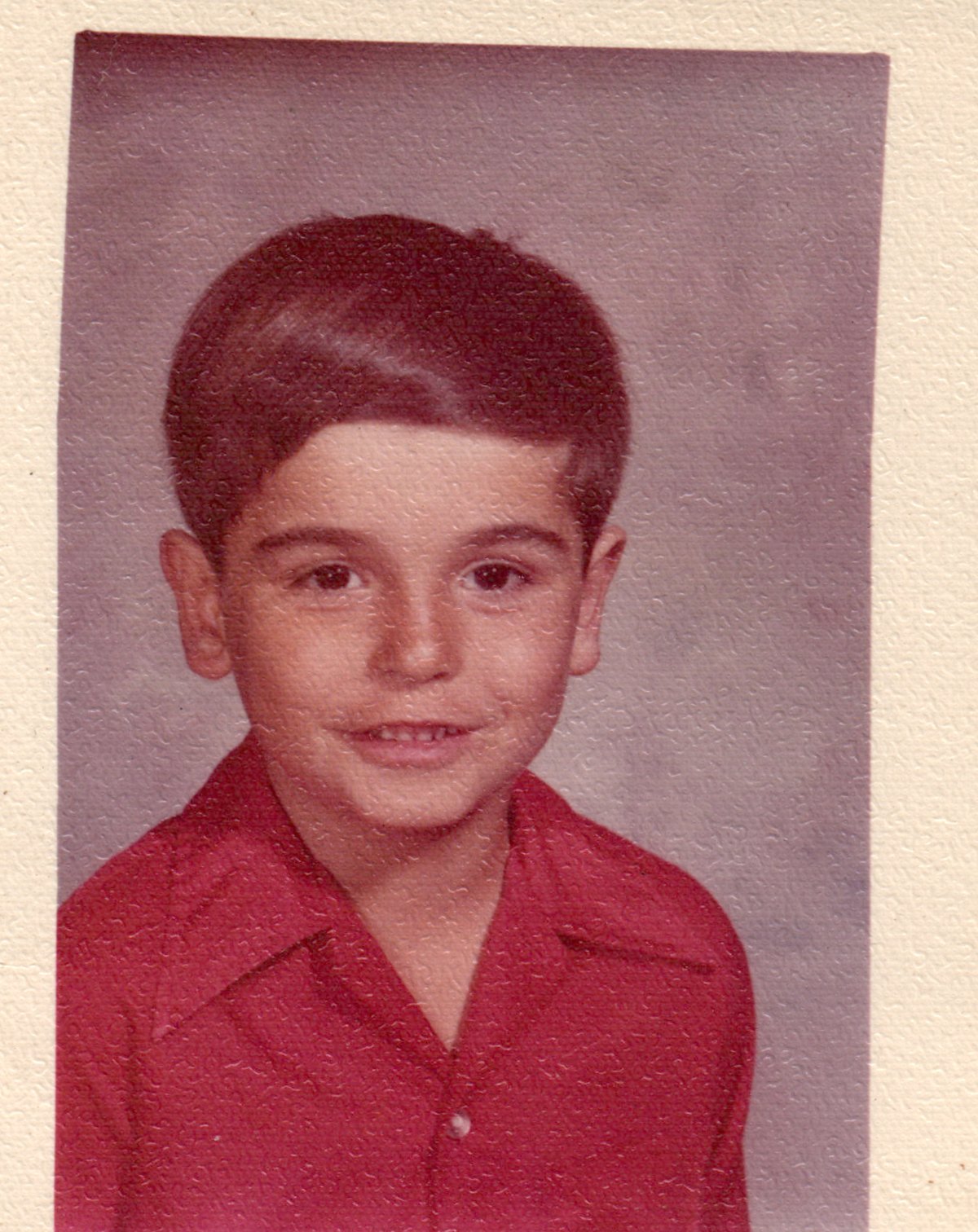
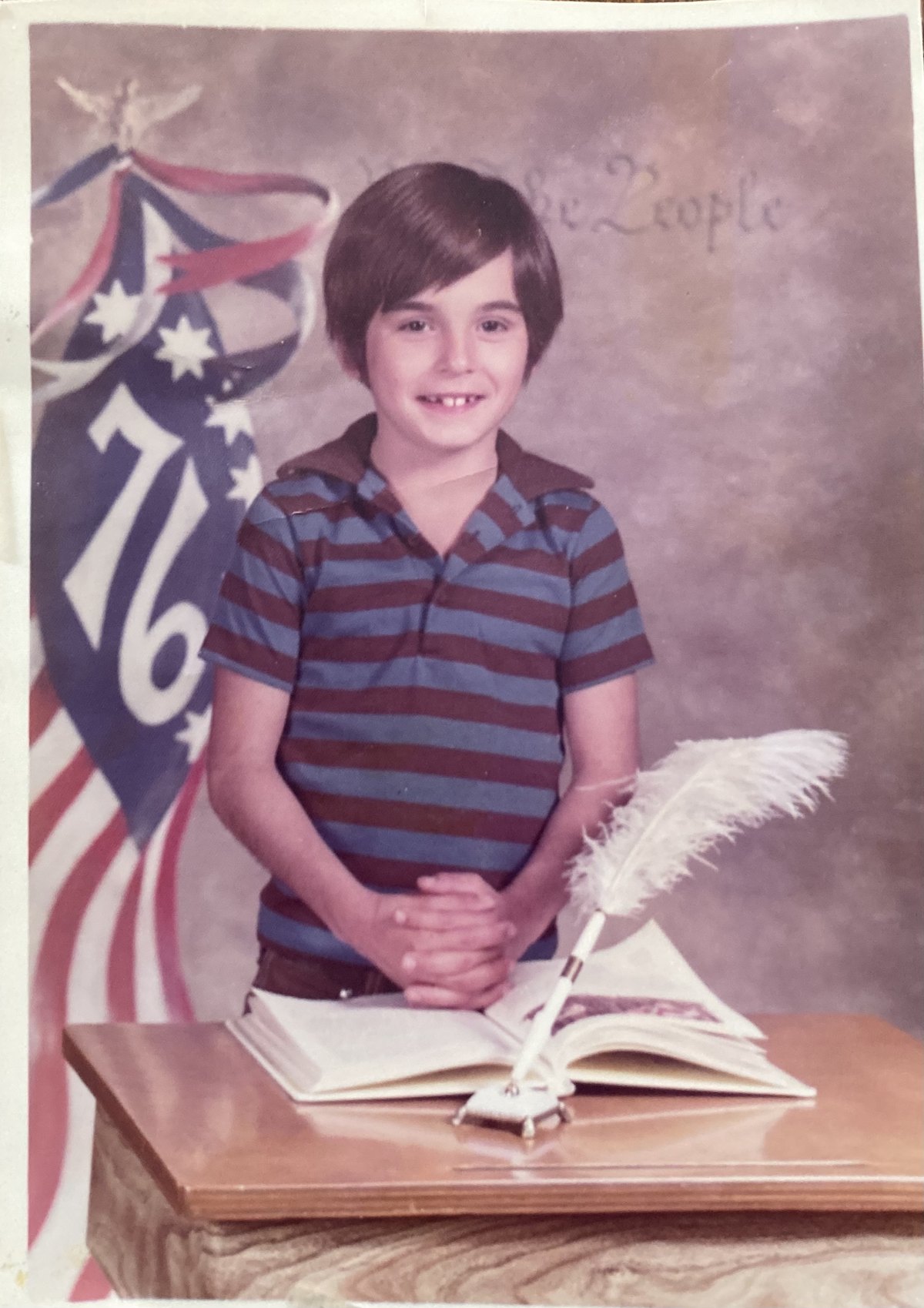
Mark’s elementary school photograph.
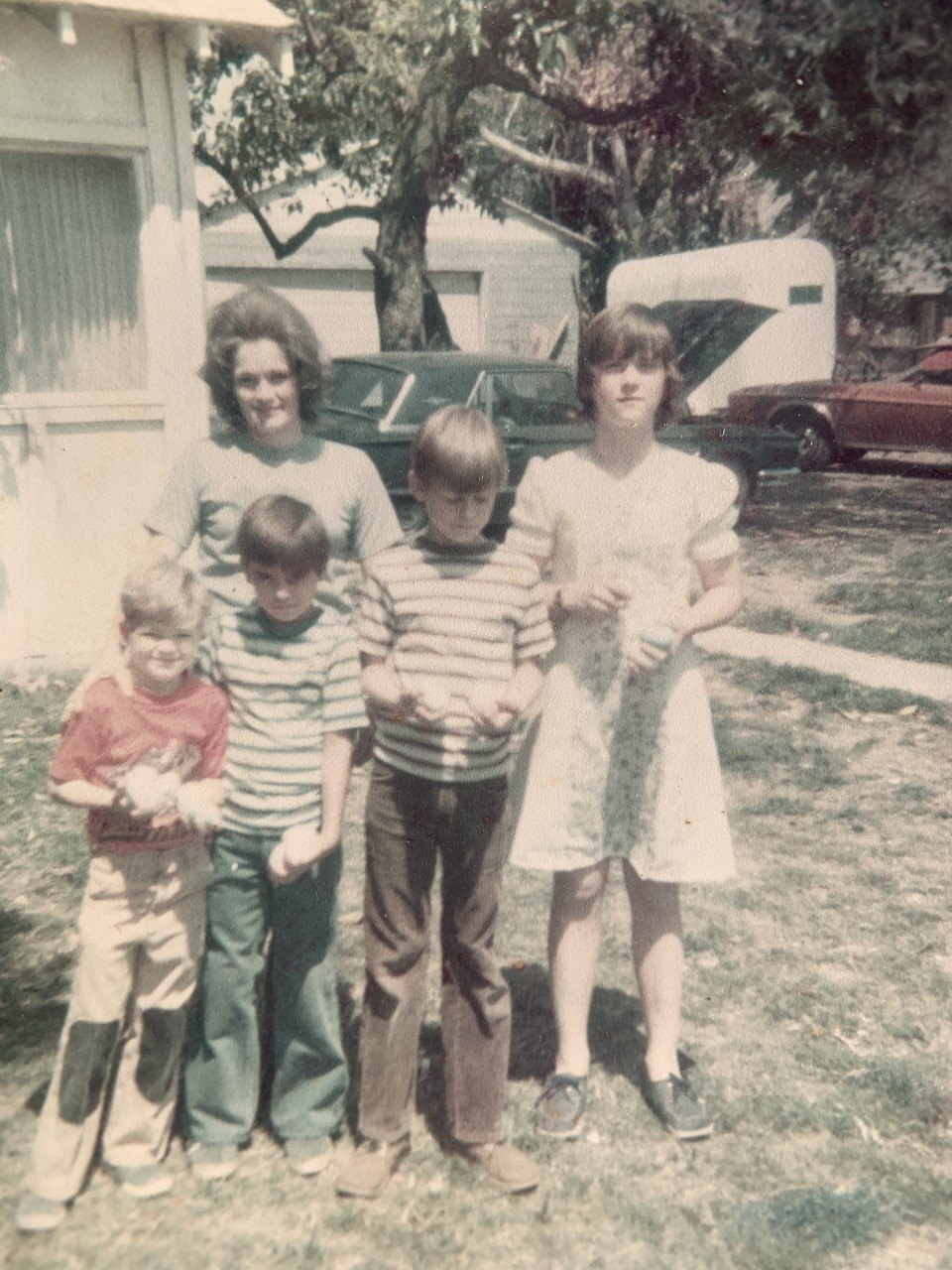
Mark (second from left, in the striped shirt) with his siblings and his mother.
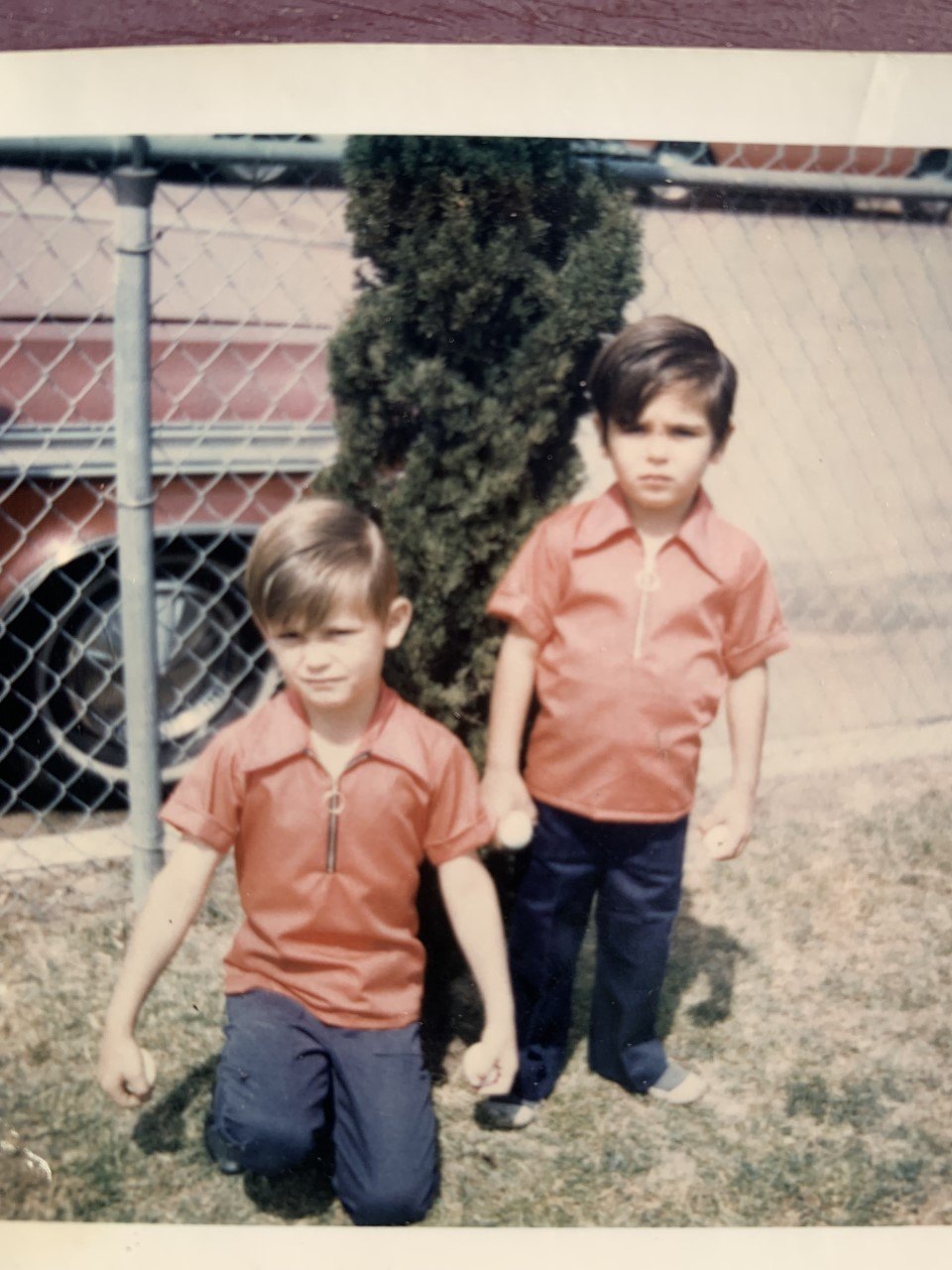
Mark (right) with one of his brothers.
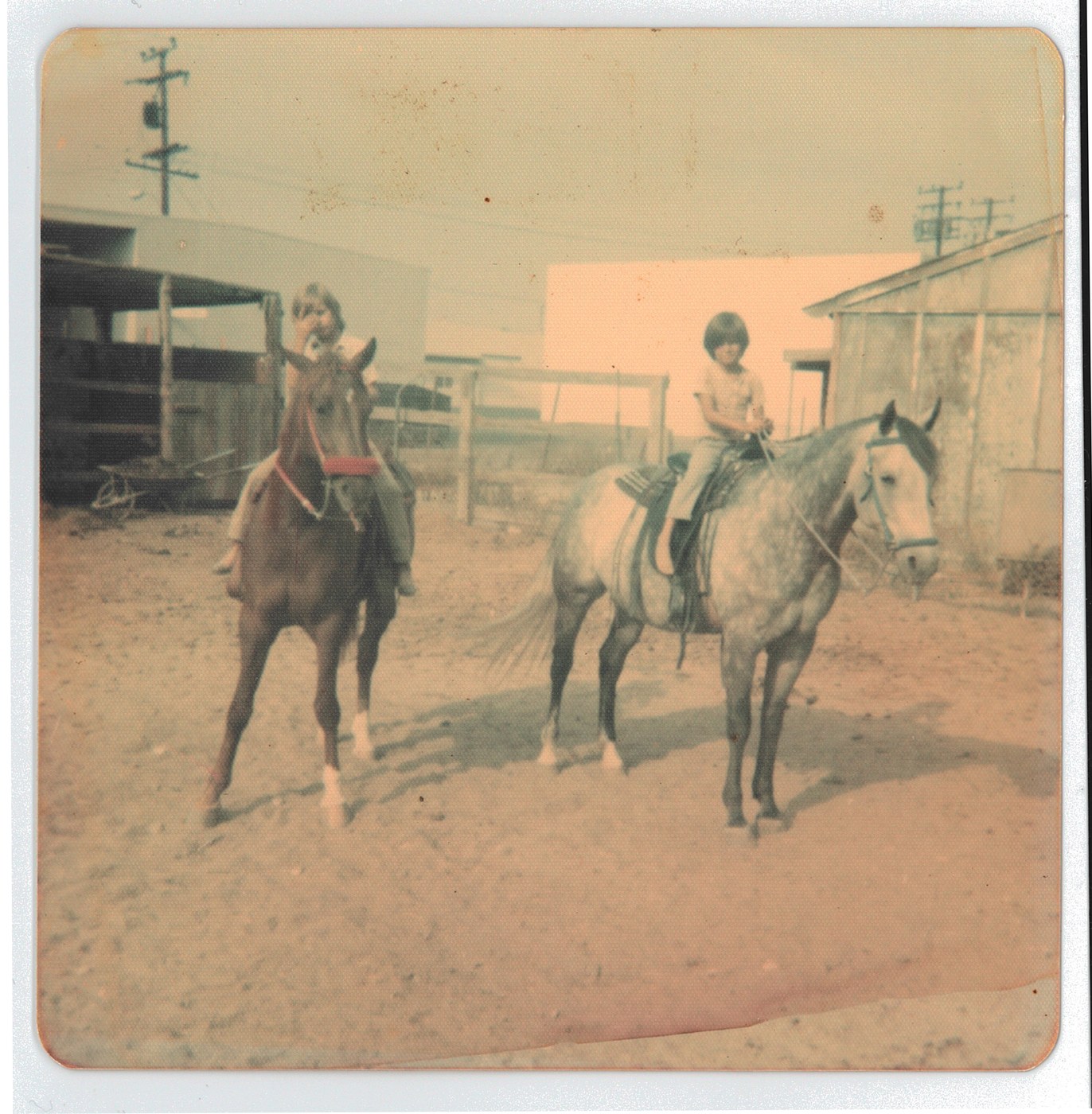
Mark (right) and his brother Michael as children on the Jenkins’ horses, Chips and Rusty.
Mark’s school photograph.
1 / 6

The physical and emotional torment intensified after Donna’s husband, Steve, was released from prison. He beat and humiliated Mark, leaving welts, bruises and cuts. Mark was generally not allowed to eat with the family; he scrounged for scraps.

Mark (front left) with his family at Christmas.

Mark suffered from incontinence after his grandfather sexually assaulted him. At least once, Steve punished Mark by forcing him to eat his own feces in front of the family.

Mark’s elementary school photograph.

Family members reported the abuse to authorities, only to recant when Steve threatened them.

Mark (second from left, in the striped shirt) with his siblings and his mother.

When Mark’s brother reported the abuse, Steve lashed out at the children, threatening, “I’ll kill you before I go back to prison.”

Mark (right) with one of his brothers.

Mark had one saving grace as a child: his animals. He had a soul-deep love of the family’s horses, dogs, and a pig named Eva, and the animals loved him back. Even when he had only scraps of food, he shared what he had with the family dogs.

Mark (right) and his brother Michael as children on the Jenkins’ horses, Chips and Rusty.

Mark’s childhood struggles were exacerbated by his intellectual disability, a serious and lifelong neurodevelopmental condition. His IQ score is 74, and his executive functioning—which includes his ability to plan, to reason, and to adapt—is at or below the 1st percentile. Mark’s disability made it difficult for him to cope with daily life.

Mark’s school photograph.
Learn about Mark’s intellectual disability diagnosis

The record of Mark’s disability

Mark’s cognitive deficits were documented since childhood.

When Mark was a child, teachers and family members noticed and documented his troubles learning, understanding, and adapting to the world around him.

Mark’s elementary school report cards, and excerpts from a 2023 neuropsychological evaluation by Dr. Robert Ouaou. At the end of the year, one teacher writes, “Grading Mark isn’t fair. He has about 2 or 3 grade levels to catch up.”

Dr. Robert Ouaou is a neuropsychologist with more than twenty-five years of experience. He examined Mark at Holman Prison over two days in 2022; administered extensive testing; and reviewed records from Mark’s childhood and his prior legal proceedings, statements by people who had known Mark as a child, and more. Dr. Ouaou diagnosed Mark with intellectual disability, a neurodevelopmental condition that originated when Mark was a child and that Mark continues to deal with to this day. Dr. Sara Boyd confirmed the diagnosis.

03.

Mark’s crime

Mark began running away around age eleven to escape the chaos of his parents’ home.

At times, he lived on the streets and begged for change.

When Mark turned eighteen, he tried to turn his life around and enlist in the armed forces, but he failed the entrance exam. A couple of years later, a friend asked Mark to help the friend’s family move to Alabama, and Mark went with them.

In Alabama, Mark tried to build a new life. But employers took advantage of him, and he still suffered from the emotional and physical effects of his parents’ abuse. He started drinking heavily.

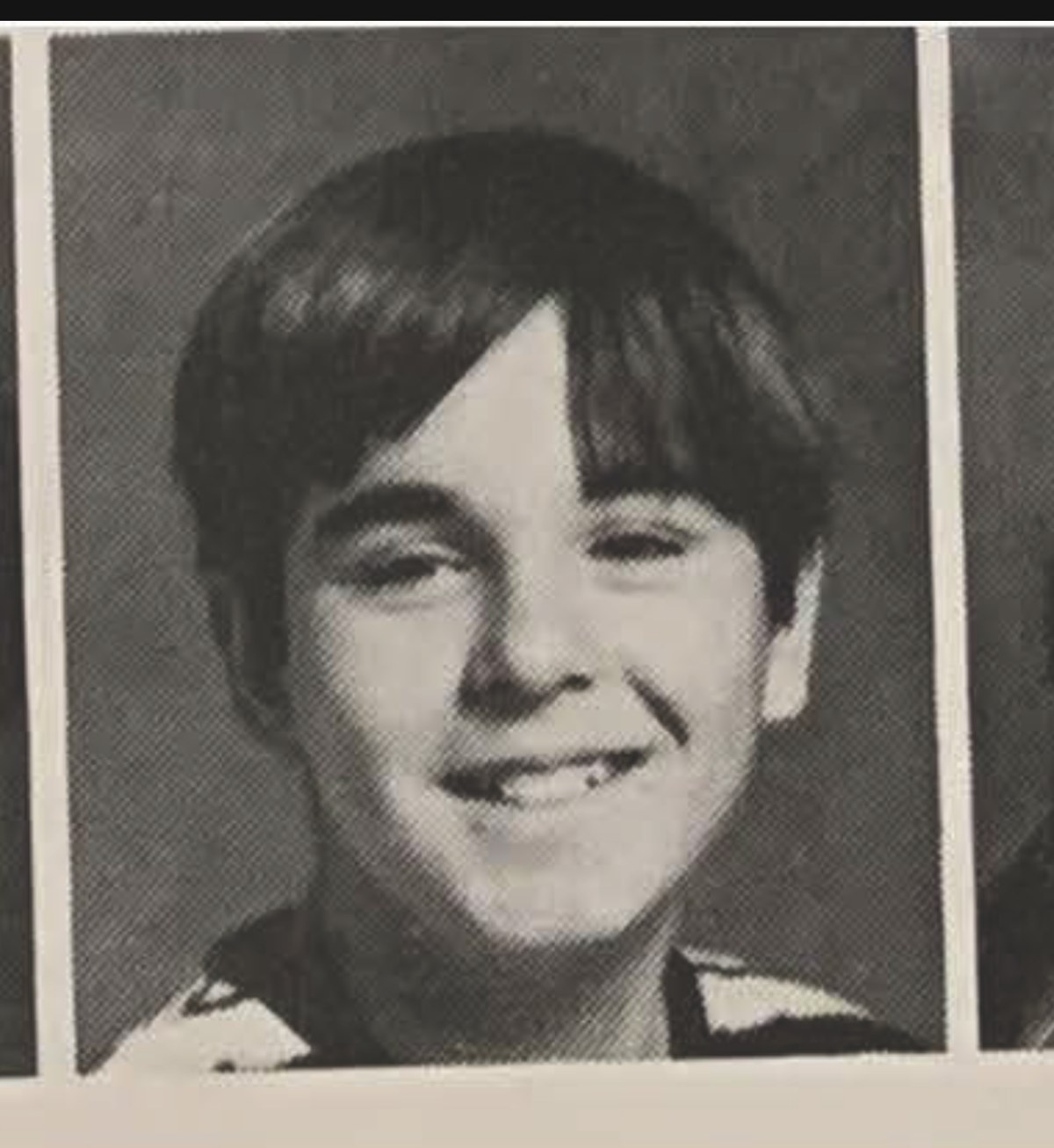
Mark in the school yearbook.
Mark’s yearbook portrait.
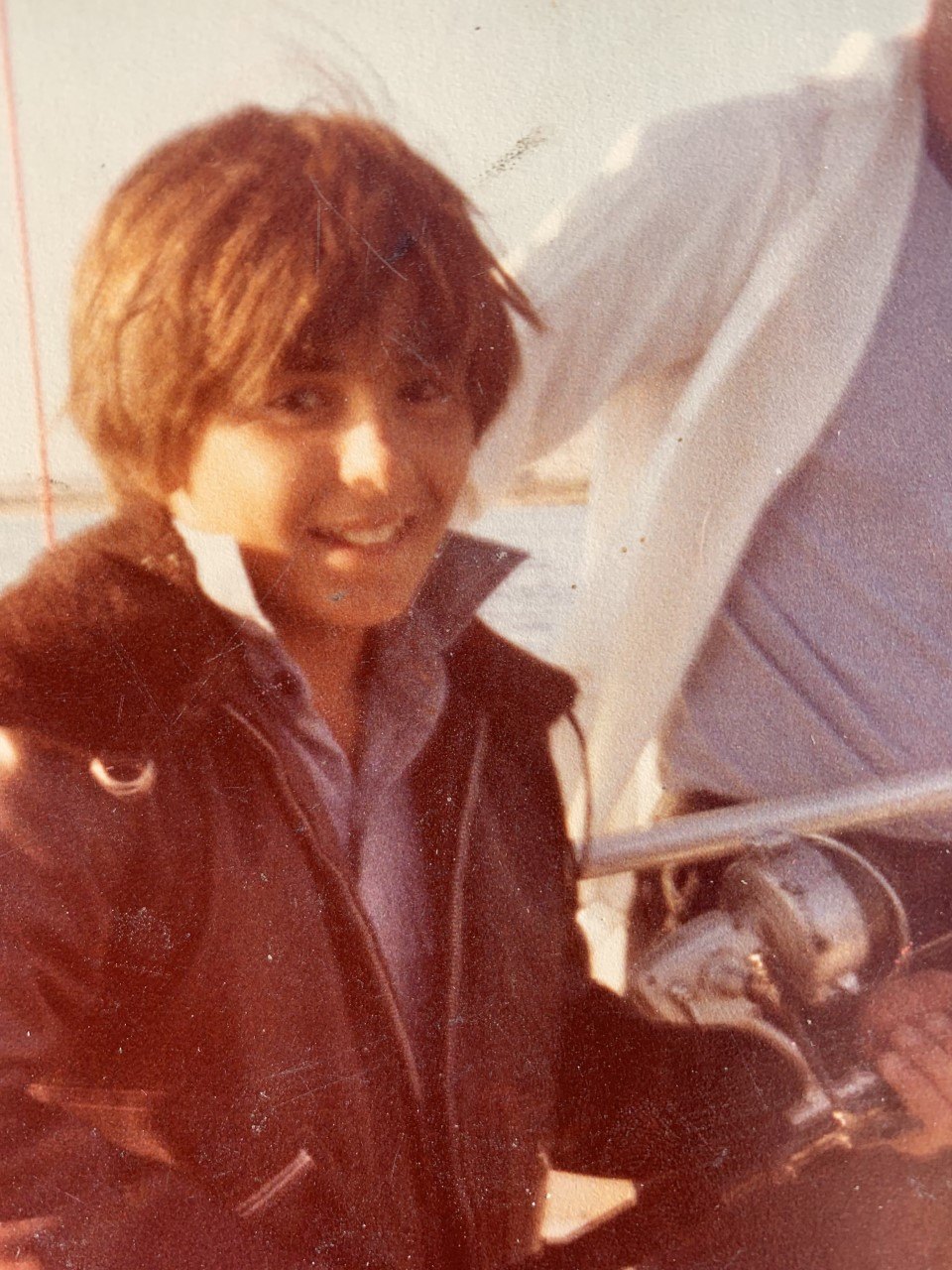
Mark, pre-teen, with a fishing rod.
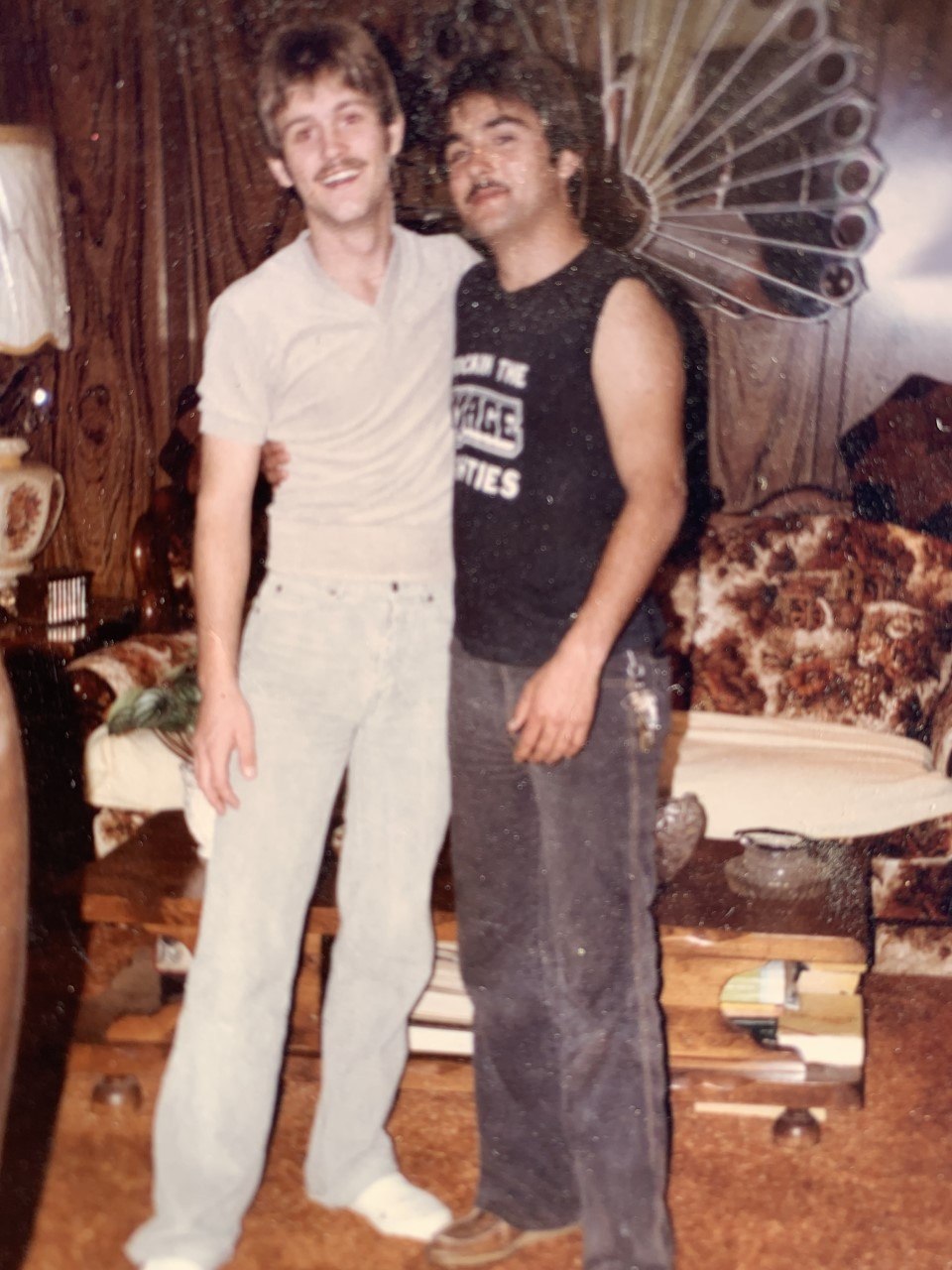
Mark (right) and one of his brothers in their late teens.
1 / 4

03.

Mark’s crime

Mark began running away around age eleven to escape the chaos of his parents’ home.

Mark in the school yearbook.

At times, he lived on the streets and begged for change.

Mark’s yearbook portrait.

When Mark turned eighteen, he tried to turn his life around and enlist in the armed forces, but he failed the entrance exam. A couple of years later, a friend asked Mark to help the friend’s family move to Alabama, and Mark went with them.

Mark, pre-teen, with a fishing rod.

In Alabama, Mark tried to build a new life. But employers took advantage of him, and he still suffered from the emotional and physical effects of his parents’ abuse. He started drinking heavily.

Mark (right) and one of his brothers in their late teens.

April 18, 1989

In the early hours of April 18, 1989, Mark had been drinking heavily and drove to a diner where Tammy Hogeland worked. He was just twenty-one years old. She was just twenty-two.

Mark and Tammy knew each other, and Tammy left the diner with Mark. At some point, the two got into an argument. During that argument, Mark strangled Tammy to death.

Tammy Hogeland was a young woman with a full life ahead of her, and Mark took that life from her and from her loved ones. Nothing here diminishes the horror of Mark’s crime, and neither Mark nor his legal team is asking anyone to ignore the terrible pain he has caused.

In 1991, Mark was convicted of capital murder in St. Clair County and sentenced to death. Mark was alone at his trial. Not one member of his family came.

Mark was horrified by his actions and feels tremendous remorse to this day.

In the early hours of April 18, 1989, Mark had been drinking heavily and drove to a diner where Tammy Hogeland worked. He was just twenty-one years old. She was just twenty-two.

Mark and Tammy knew each other, and Tammy left the diner with Mark. At some point, the two got into an argument. During that argument, Mark strangled Tammy to death.

Tammy Hogeland was a young woman with a full life ahead of her, and Mark took that life from her and from her loved ones. Nothing here diminishes the horror of Mark’s crime, and neither Mark nor his legal team is asking anyone to ignore the terrible pain he has caused.

In 1991, Mark was convicted of capital murder in St. Clair County and sentenced to death. Mark was alone at his trial. Not one member of his family came.

Mark was horrified by his actions and feels tremendous remorse to this day.

04.

Thirty-five years: Transformation

Those who know Mark, from family members to correctional officers, have seen how his remorse for the terrible harm he caused has stayed with him and shaped him over the decades.

Since his incarceration, Mark has worked relentlessly to better himself and to atone for his crime, doing everything from learning to read and working in the prison, to getting baptized and growing in his Christian faith.

He has become a different man—a better man—than the one who arrived on death row more than thirty-five years ago.

Dr. Sara Boyd explains why Mark is now far less susceptible to the influences that caused him to spiral in his early twenties. She also discusses how he has tried to process the abuse he endured and his remorse for his crime.

Over sixty correctional officers—the men and women who have seen Mark day after day, year after year since he arrived at Holman—have attested in individual letters to Mark’s kindness, trustworthiness, and remorse.

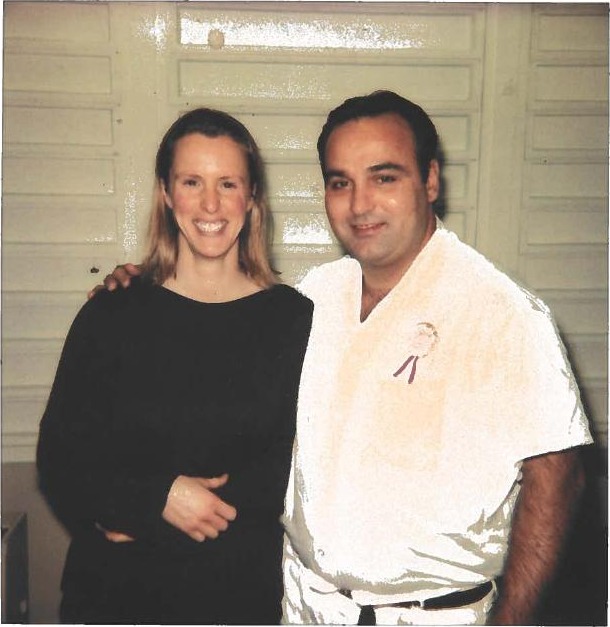
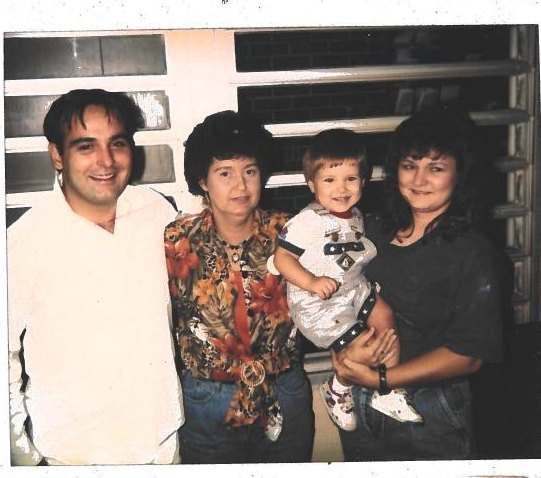
Mark with visitors at Holman in the 1990s.
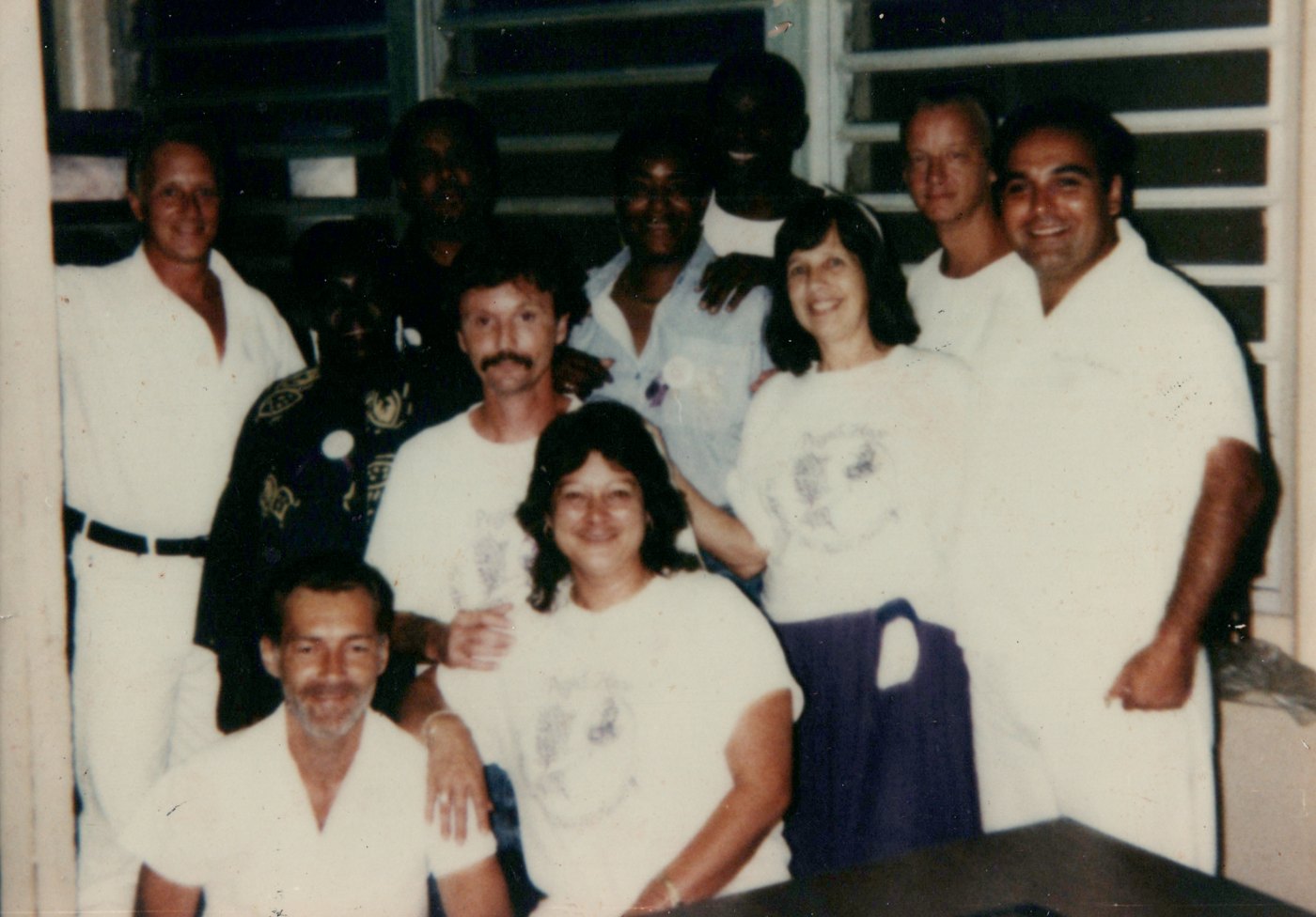
Mark (top right) with other death row prisoners at Holman and their visitors.
Mark with his brother, Billy, and Billy’s friend, 2024.
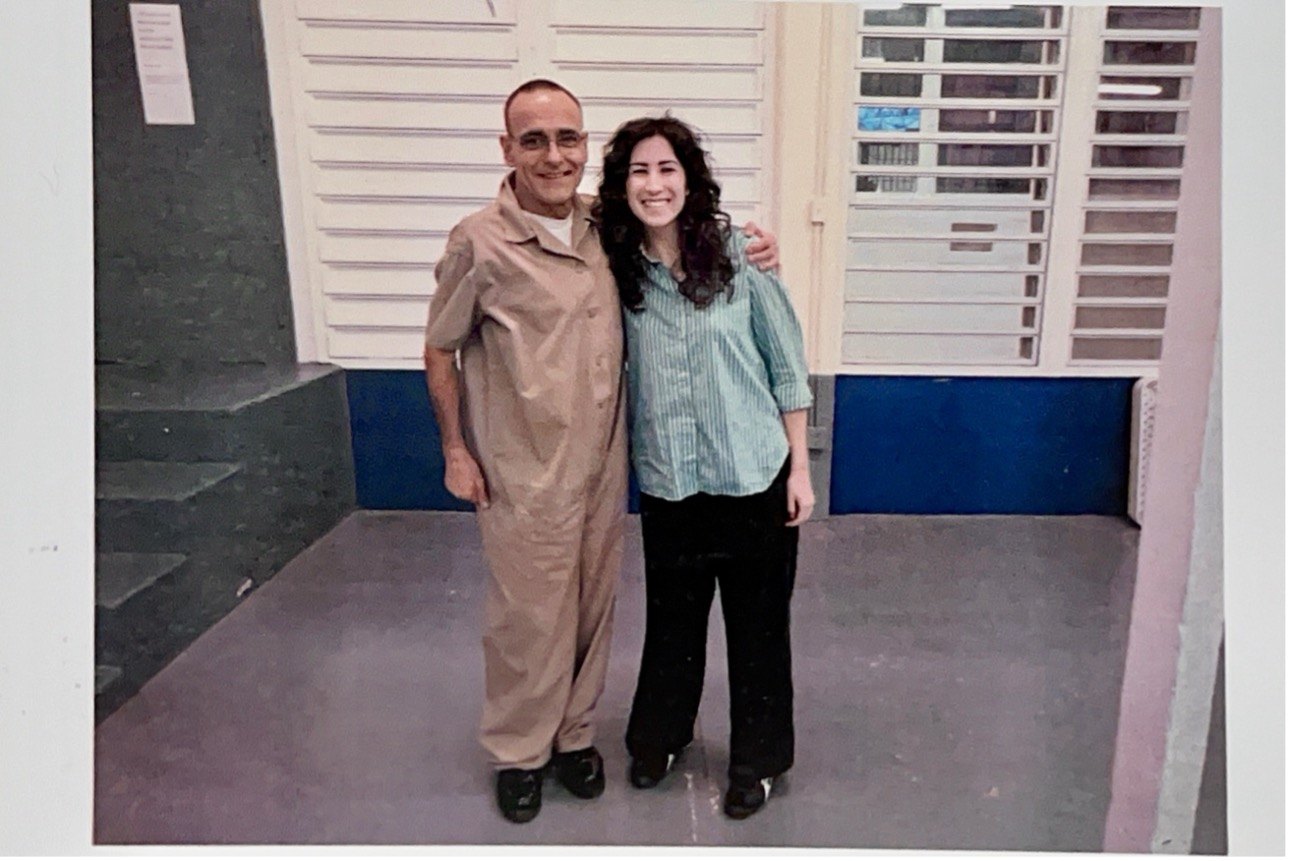
Mark in Holman’s visiting yard, April 2026.
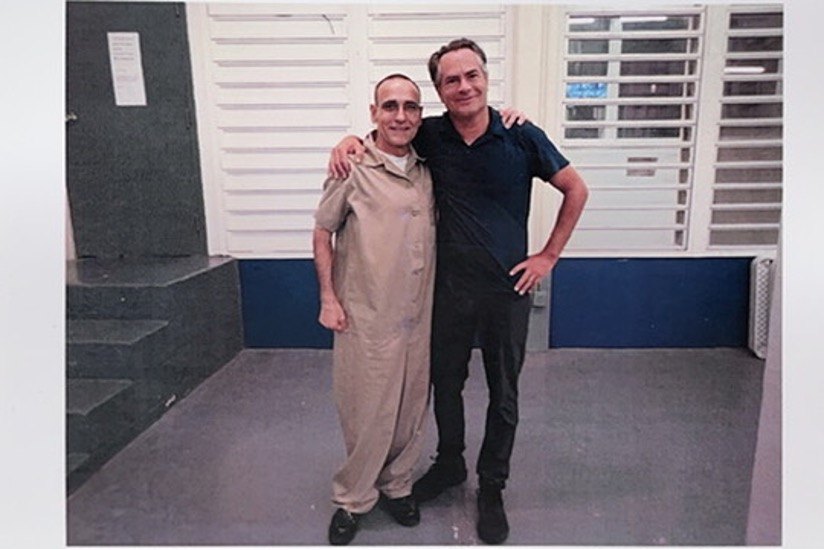
Mark in Holman’s visiting yard, May 2026.

1 / 8

04.

Thirty-five years: Transformation

Those who know Mark, from family members to correctional officers, have seen how his remorse for the terrible harm he caused has stayed with him and shaped him over the decades.

Since his incarceration, Mark has worked relentlessly to better himself and to atone for his crime, doing everything from learning to read and working in the prison, to getting baptized and growing in his Christian faith.

He has become a different man—a better man—than the one who arrived on death row more than thirty-five years ago.

Dr. Sara Boyd explains why Mark is now far less susceptible to the influences that caused him to spiral in his early twenties. She also discusses how he has tried to process the abuse he endured and his remorse for his crime.

Over sixty correctional officers—the men and women who have seen Mark day after day, year after year since he arrived at Holman—have attested in individual letters to Mark’s kindness, trustworthiness, and remorse.

Mark with visitors at Holman in the 1990s.
Mark (top right) with other death row prisoners at Holman and their visitors.
Mark with his brother, Billy, and Billy’s friend, 2024.
Mark in Holman’s visiting yard, April 2026.
Mark in Holman’s visiting yard, May 2026.